supername.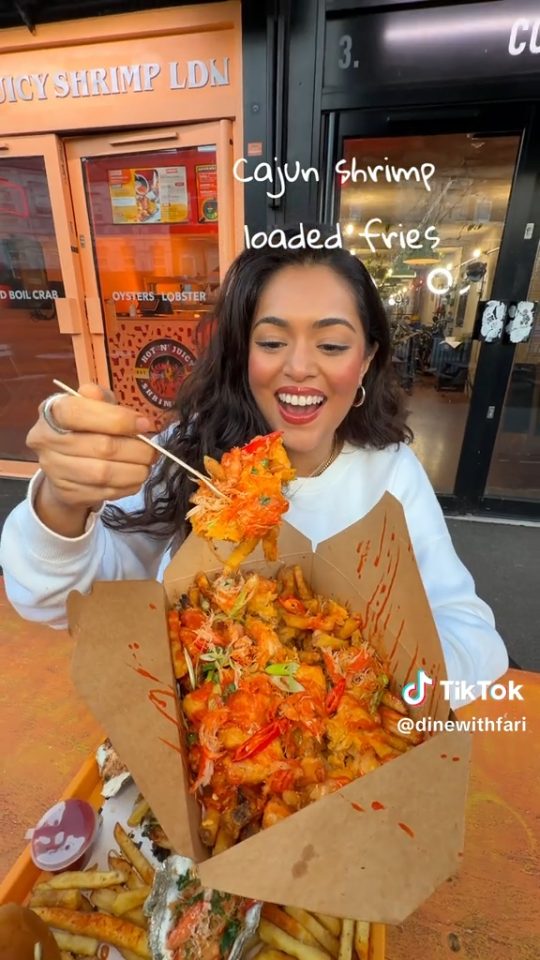
@dinewithfariREC
Unlimited seafod boils weekend
44,605 views
Local creators visit your business, film short videos, and post them from their own accounts — with guaranteed views.
Unlimited seafod boils weekend
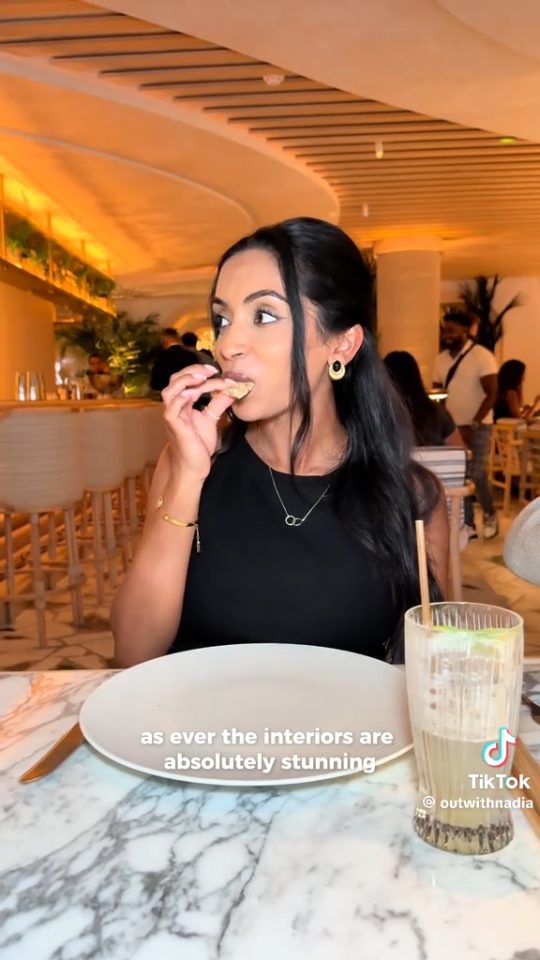
They brought Greece here
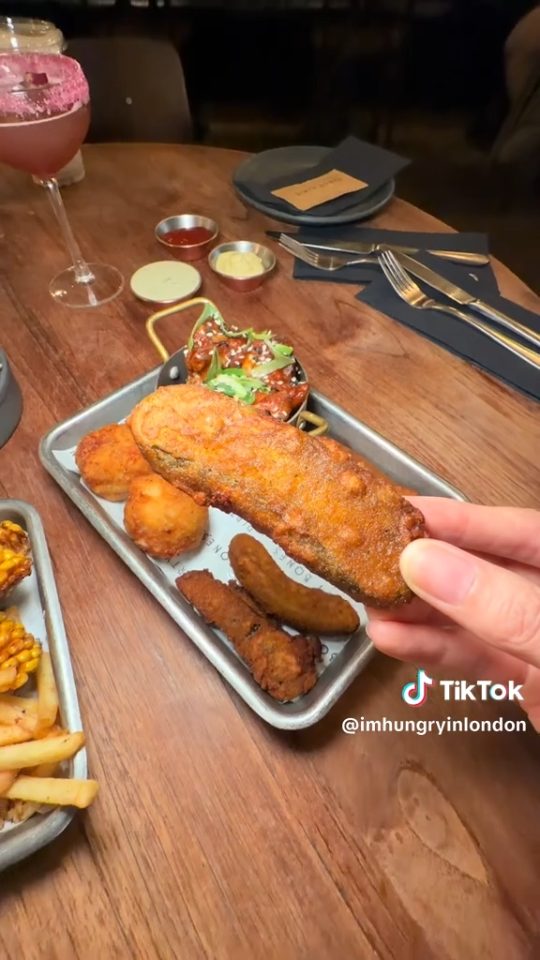
Dirty Bones has got me spoiled
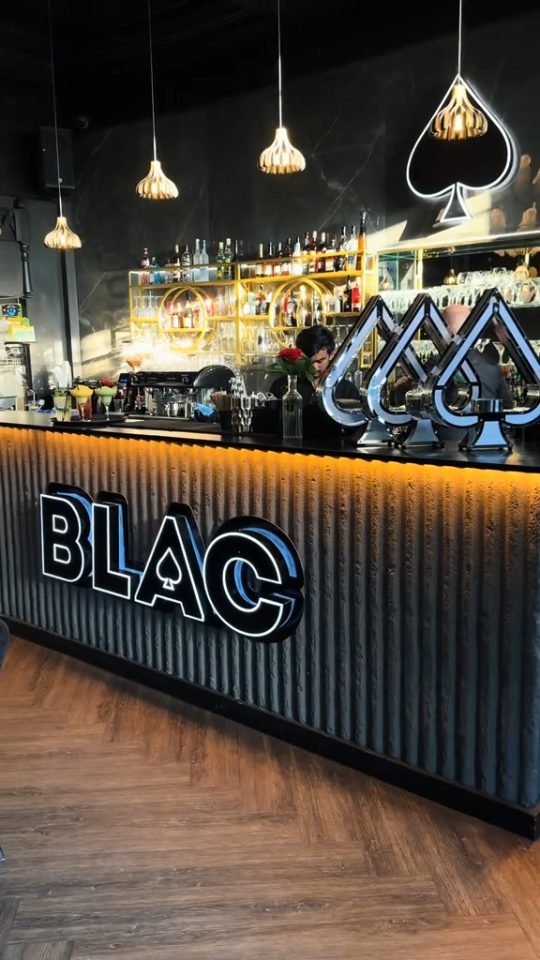
Blac is Back
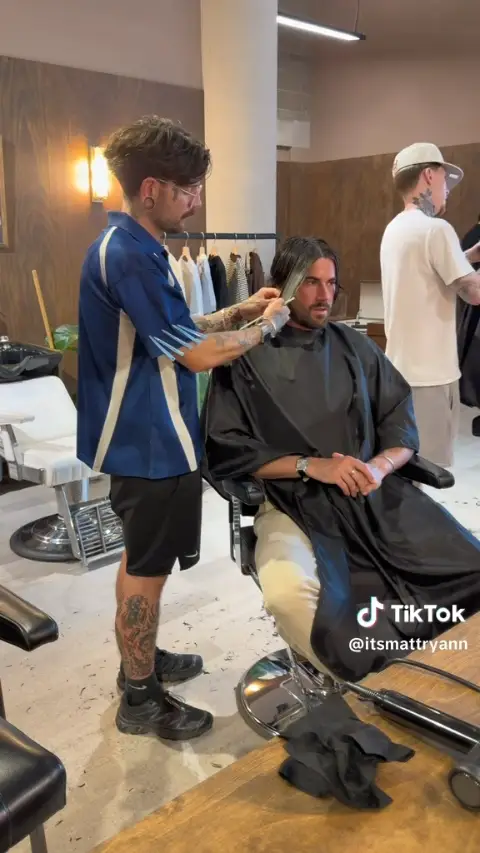
Did he nail it?
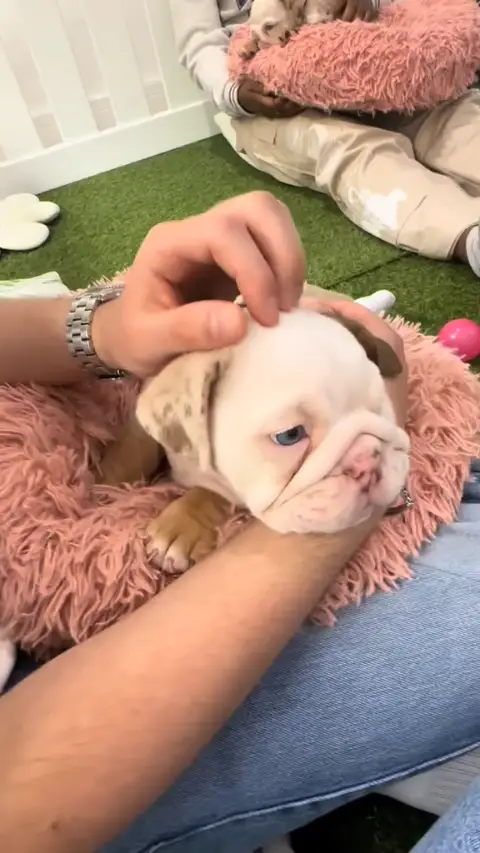
Puppy Therapy!! 🐶🐾🥰
Best ways to start a Sunday
Prices were pretty reasonable
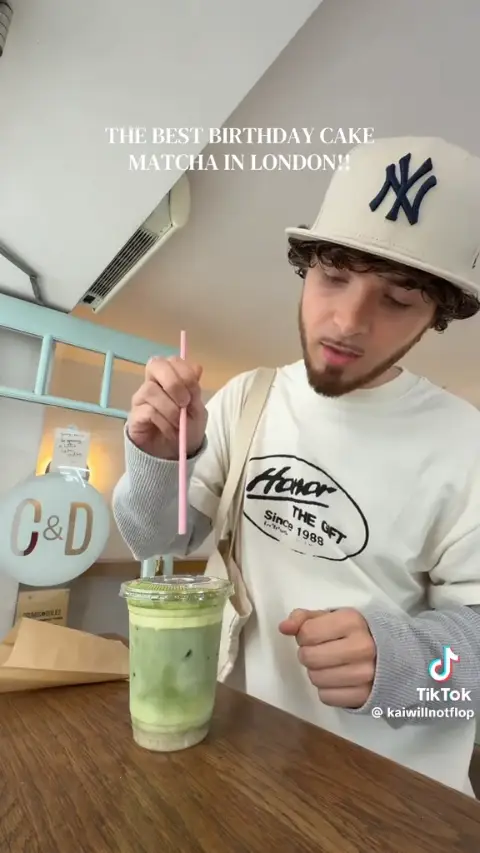
Birthday cake matcha!!
The best of the best, all in one place
I trust him with my life!!
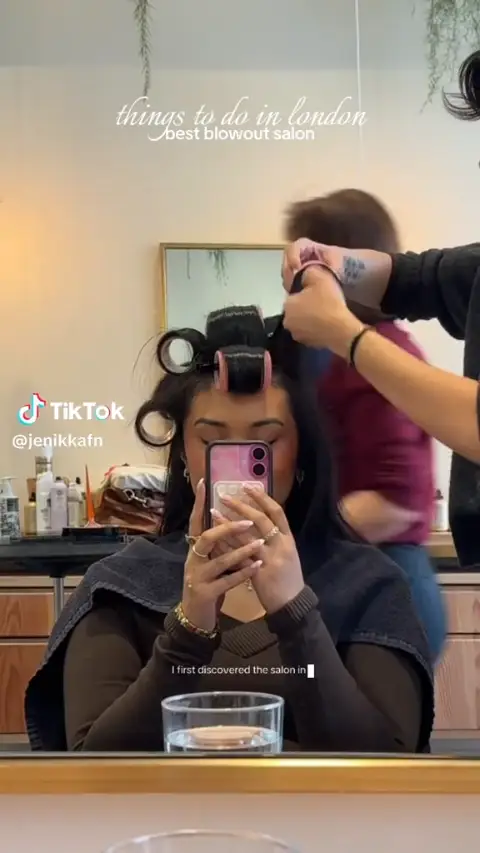
My favorite blowout salon
Tell us the business. Supername figures out the angle, shapes the campaign, and helps you launch it with local creators.
Start with your business name. We pull the important details — location, category, socials and what makes the place worth visiting.
We turn what we find into a creator-ready plan: the right angle, hooks, scenes and package for your business.
We shortlist relevant local creators. You choose who feels right — they film, post, and you track the views.
24 local creators matched · 2k–30k followers
 Picked
 Pick
PickPick a business type and see the shots creators turn into short-form posts that help people understand where to go, what to try and why to visit.
Creators show the place, the order and the moment that makes someone want to try it.

Hero dish close-up
9:16 verticalCreators know what to capture before they arrive.
The value isn't only the day a video goes live. Creator posts keep helping people discover your business and decide to visit — while giving you content you can keep reusing.
"Creators visited over the weekend and the videos made us feel instantly worth trying. People started mentioning TikTok when they came in."
from a single local campaign with 2 creators
"Supername understood the business, found nearby creators, and the content felt natural. It took very little work from us."
reusable content plus broader local visibility
"It felt more authentic than ads. The videos showed the café the way real customers see it, and people wanted to stop by."
for launches, promotions and bigger awareness pushes
"Instead of explaining what makes us different, the creator videos showed it. That made the campaign feel believable."
or the refund promise applies
"The content made the classes feel less intimidating. New visitors came in already knowing what to expect."
Choose the campaign size that fits — from a first test to a bigger local push. Every package includes creator matching, campaign coordination, and guaranteed views. No long contracts.
A simple way to test creator content for your business.
Best for: first campaigns and smaller local businesses.
Start with StarterStronger visibility and more content to work with.
Best for: businesses ready for a broader local push.
Choose GrowthBuilt for launches, momentum, and wider local reach.
Best for: promotions, launches and maximum visibility.
Go with Max ReachEverything you need to know before starting your first creator campaign.
You start with your business name. We pull together available public details like location, category, website, socials and opening hours, then recommend a campaign angle, shots, creators and package that fit your business.
No. Supername creates the campaign plan for you, including hooks, scenes and creator instructions. You can review it and tweak anything before the campaign goes live.
Yes. We shortlist relevant local creators based on your business, location and campaign type. You choose who feels right before the campaign starts.
Creators post from their own social accounts. That makes the content feel more natural and helps your business reach people through trusted local voices.
Each package includes guaranteed views. If the campaign does not reach the guaranteed view target within the stated period, the refund promise applies.
Most campaigns can be prepared quickly once your campaign plan is approved and creators are confirmed. The exact timing depends on creator availability and whether the campaign needs a visit, unboxing or general promo.
Yes. For location-based campaigns, creators can visit your business, film the experience and post the content from their own accounts.
Yes. Online businesses can run product unboxing or general promo campaigns, depending on what they sell and where creators are based.
Yes, you can reuse the creator content according to the campaign terms. This gives you extra content for your own social channels, website and ads.
Each package includes campaign planning, creator matching, creator coordination, posted videos and guaranteed views. The number of creators, videos and guaranteed views depends on the package you choose.
Start with your business name. We'll recommend the campaign, shortlist creators nearby, and help you get the videos live.